



 Yeksa Makina
 Yeksa Makina
 KRP CNC Satış
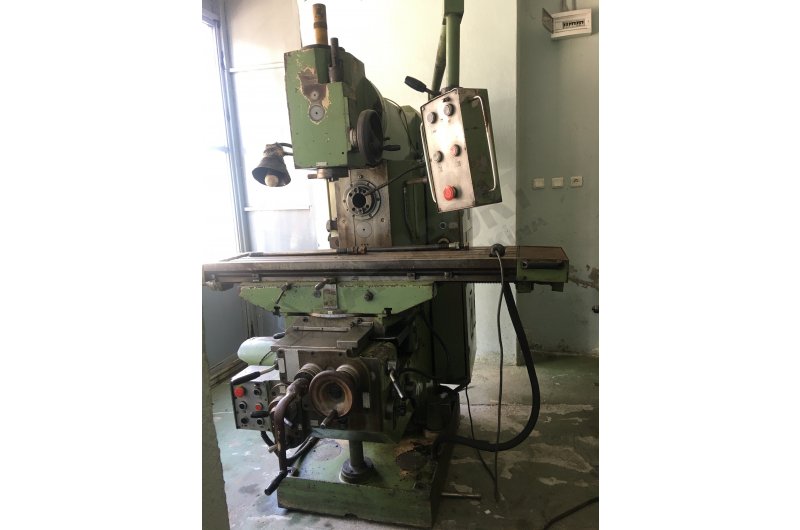
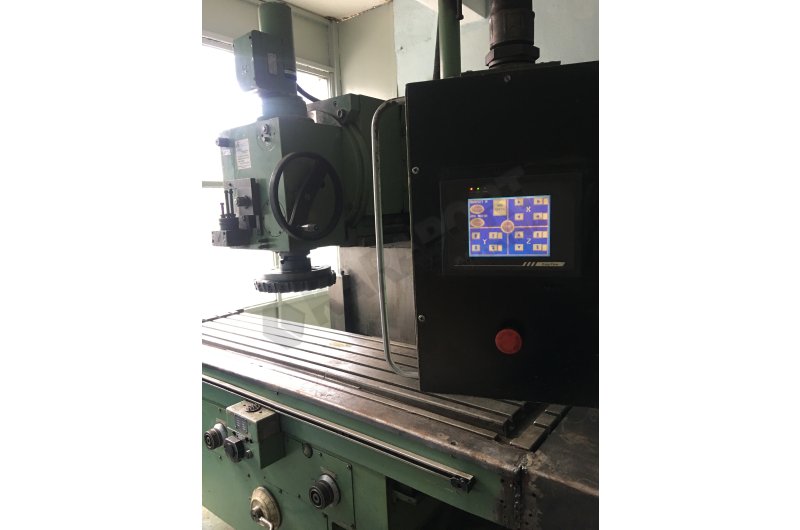
Milling machines are a popular and still widely used manufacturing tool today. With our broad range of milling machine models, choosing the right machine can provide both energy and cost advantages. When selecting a machine, you should first determine the number of axes you need. Most milling machines have three axes: a vertical axis called the Z axis, a longitudinal axis called the X axis, and a transverse axis called the Y axis. There are three main types of milling machines:
Vertical milling machines: Equipped with a vertical spindle and with tools mounted perpendicular to the table.
Horizontal milling machines: Equipped with a horizontal spindle and with the spindle that holds the tool mounted parallel to the table.
Universal milling machines: Equipped with a swivel spindle.
You should also choose the correct mill according to the material you will be machining. Milling machines do not experience the same resistance when cutting steel, aluminum, or PVC. You must also take into account the cutting depth, that is, the depth at which the cutter contacts the workpiece. If you select a low‑power milling machine, you may need to perform several successive passes to complete a machining operation that a more powerful machine could finish in a single pass. In addition, select your milling machine according to the size of the parts the machine will need to accommodate and the magnitude of the movements required to perform all machining operations. A milling machine’s machining capacities correspond to the travel range on each axis (the movement in the X, Y and Z axes). Milling machines typically have three axes: a vertical axis that allows the table to be raised toward the cutter and two horizontal axes that allow longitudinal and transverse table movement. You can also choose a four‑axis milling machine. The fourth axis allows the table to rotate so that the part can be machined from different angles without being removed and manually repositioned. Five‑axis milling machines also include a spindle rotation axis, which makes it possible to change the cutter’s approach angle.
A milling machine is called vertical when the spindle is perpendicular to the table. The table can move vertically to bring the workpiece to the rotating tool. A vertical milling machine can also be equipped with a drill bit for drilling and a slotting head to calibrate accurately with the help of a chip‑washing system. When the spindle is parallel to the table, the machine is called a horizontal milling machine. This type of milling is particularly suitable for making simultaneous grooves on a plate because several milling cutters can be mounted side by side. Horizontal milling machines provide better chip evacuation than vertical milling machines.
On conventional milling machines, table feed is performed by turning a crank handle connected to a vernier, which controls the speed and length of the movement. Operating instructions may be provided with the milling machine as standard or supplied later. These machines are widely used today and, due to their advantages, they are likely to remain in use for many years to come.
They can be subcategorized as follows:
- Mold maker milling machines
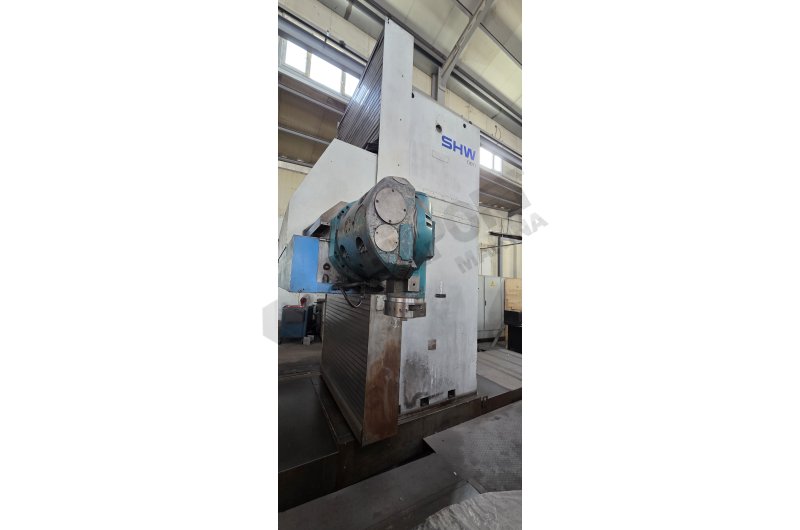
- Heavy duty milling machines
- Bed type milling machines
- Portal type milling machines
- Drill milling machines
- CNC / NC milling machines
Under the milling machines category, there are listings and prices from sellers of used and new machines, as well as owner‑to‑buyer second‑hand milling machine ads.