



The Invisible Architecture of Precision: Inside Modern 5‑Axis CNC Machining Centers
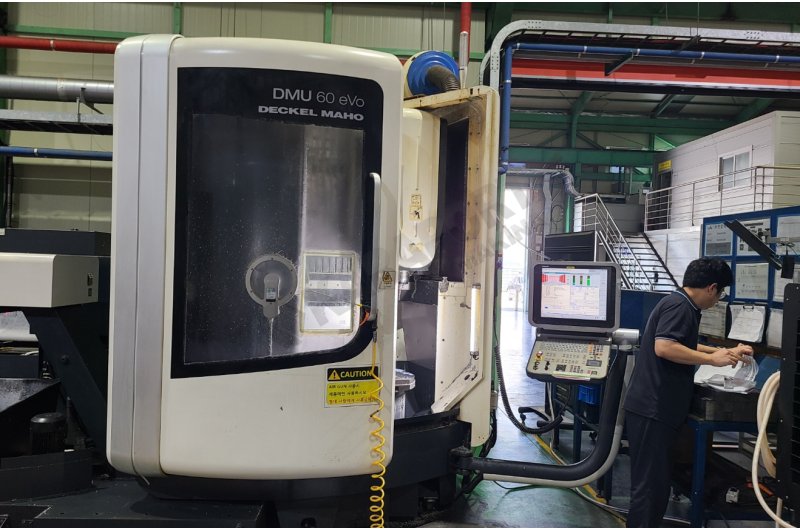
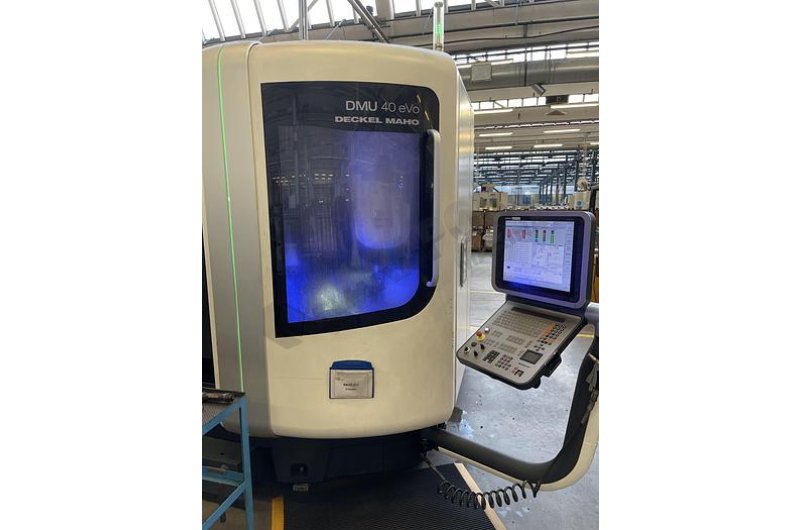
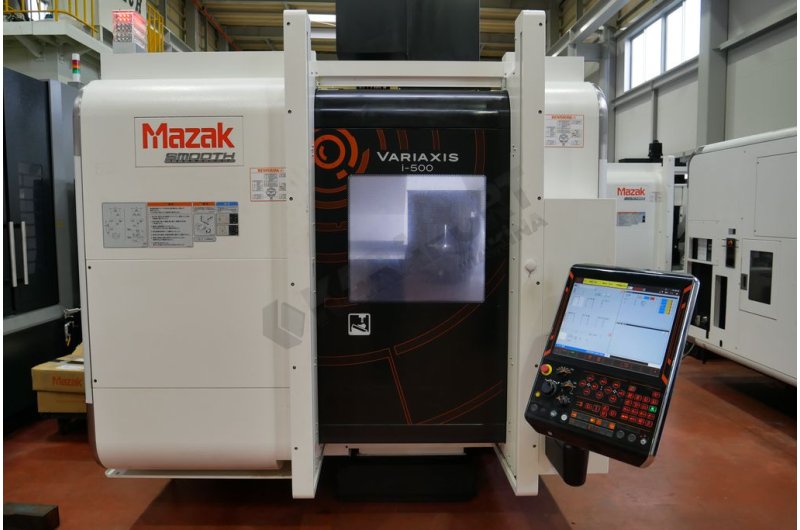
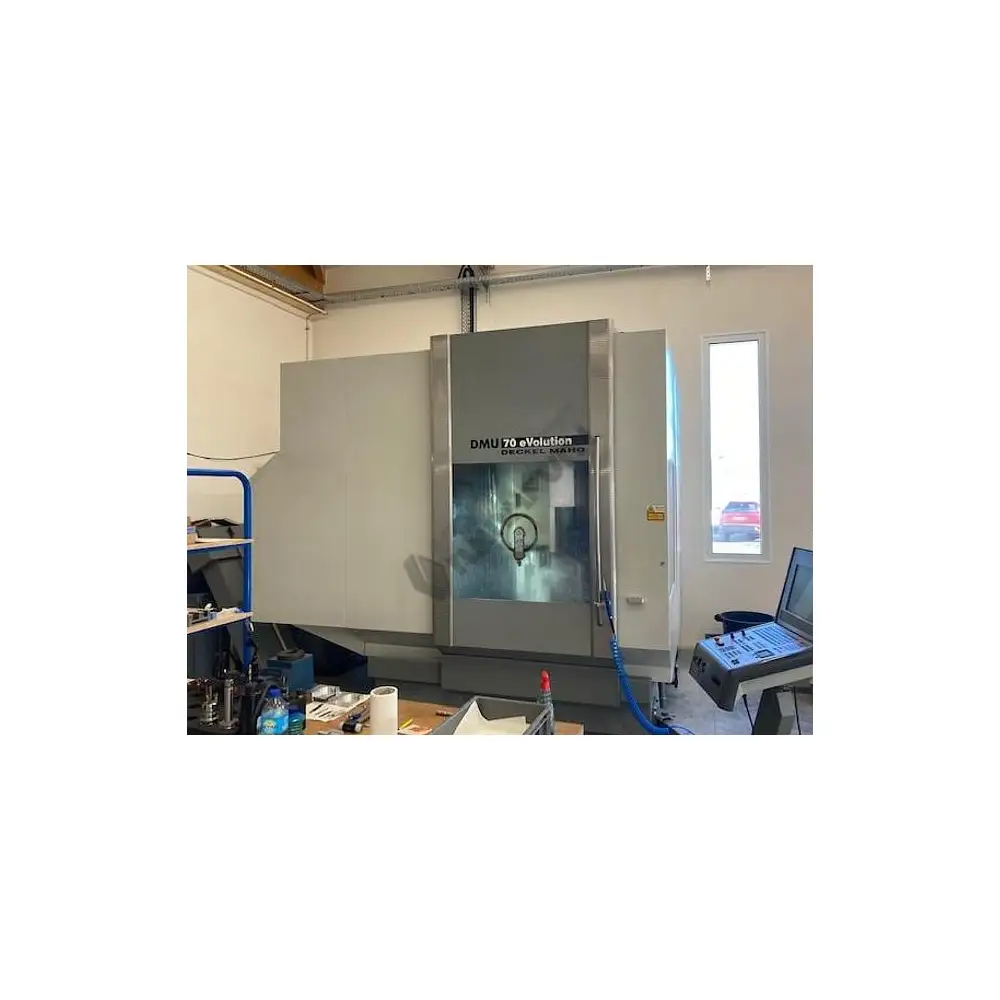
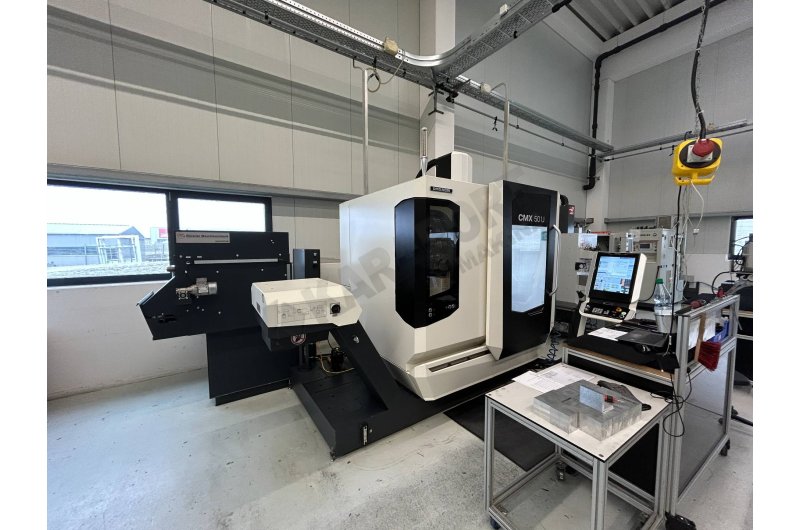
In the world of advanced manufacturing, some machines simply perform tasks, while others redefine what is possible. 5‑axis CNC machining centers belong to the latter category. They are not just tools; they are dynamic systems that reshape the geometry, physics, and logic of production. To the untrained eye, a 5‑axis machine looks like a rigid frame, a spindle, and a control panel. But its true identity lies beneath the surface — in the invisible architecture of motion, stability, and computational intelligence.
A New Dimension of Movement
Traditional 3‑axis machines operate with linear simplicity: X, Y, and Z. A 5‑axis machining center breaks this pattern. With the addition of rotary axes — typically A and C — the machine gains the ability to tilt, rotate, and orient the tool or the workpiece in ways that mimic the flexibility of a human wrist.
This expanded motion transforms manufacturing:
- The cutting tool always approaches the surface at the optimal angle.
- Complex geometries become achievable in a single setup.
- Tool paths shorten, reducing wear and heat.
- Surface quality improves dramatically.
A 5‑axis machining center does not merely cut metal; it choreographs geometry.
Dynamic Rigidity: The Silent Backbone of Accuracy
The true performance of a 5‑axis machine is not found in its brochure specifications. It is hidden in the rigidity of its frame, the harmony of its axes, and the vibration behavior of its spindle.
A well‑engineered 5‑axis machining center maintains geometric stability even at high speeds. Its structure absorbs micro‑vibrations, allowing the machine to produce mirror‑like surfaces without chatter.
A good machine does not scream while cutting — it whispers precision.
The Control Unit: Where Mathematics Meets Motion
Behind every flawless 5‑axis part lies a sophisticated control system. This digital brain performs millions of calculations per second to synchronize movements and prevent errors.
Its responsibilities include:
- Real‑time collision avoidance
- Thermal compensation
- Adaptive feed control
- Dynamic limit management
- Intelligent toolpath optimization
The control unit sees what the operator cannot. It predicts, corrects, and stabilizes the machining process. In many ways, a 5‑axis machining center is a self‑managing digital organism.
Single‑Setup Manufacturing: The New Standard
One of the greatest advantages of 5‑axis machining is the ability to produce complex parts in a single clamping. This eliminates repositioning errors — the silent enemy of precision.
Industries such as aerospace, defense, medical, and mold‑making now consider 5‑axis capability not a luxury, but a necessity. Single‑setup machining is the new definition of reliability.
The Future: Intelligent, Autonomous Manufacturing
Today’s 5‑axis machining centers are evolving into intelligent production hubs. Sensors monitor spindle load, vibration, temperature, and tool wear. Artificial intelligence optimizes toolpaths and predicts failures before they occur.
These machines no longer just remove material. They generate data, learn from it, and adapt.
A 5‑axis CNC machining center is no longer a machine — it is the physical embodiment of manufacturing intelligence.