



 KRP CNC Satış
 KRP CNC Satış
 KRP CNC Satış
 KRP CNC Satış
 KRP CNC Satış
 KRP CNC Satış
 KRP CNC Satış
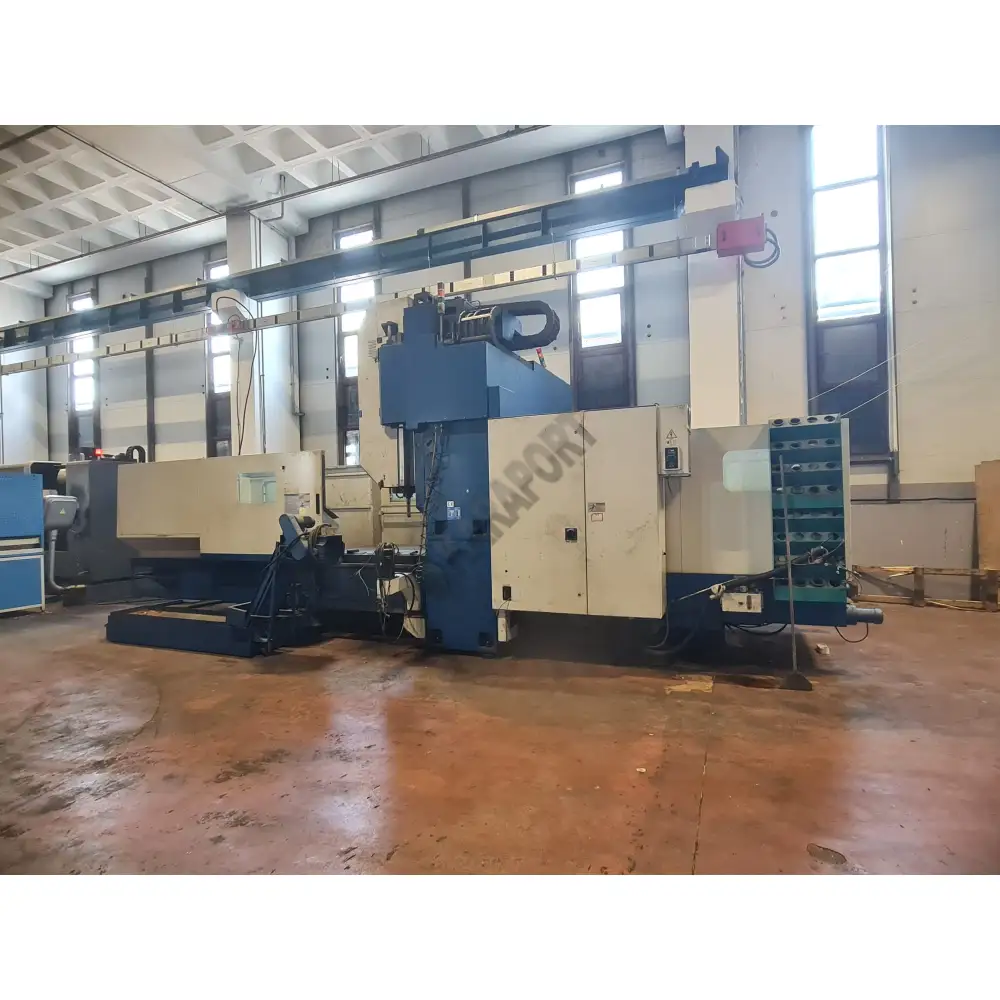
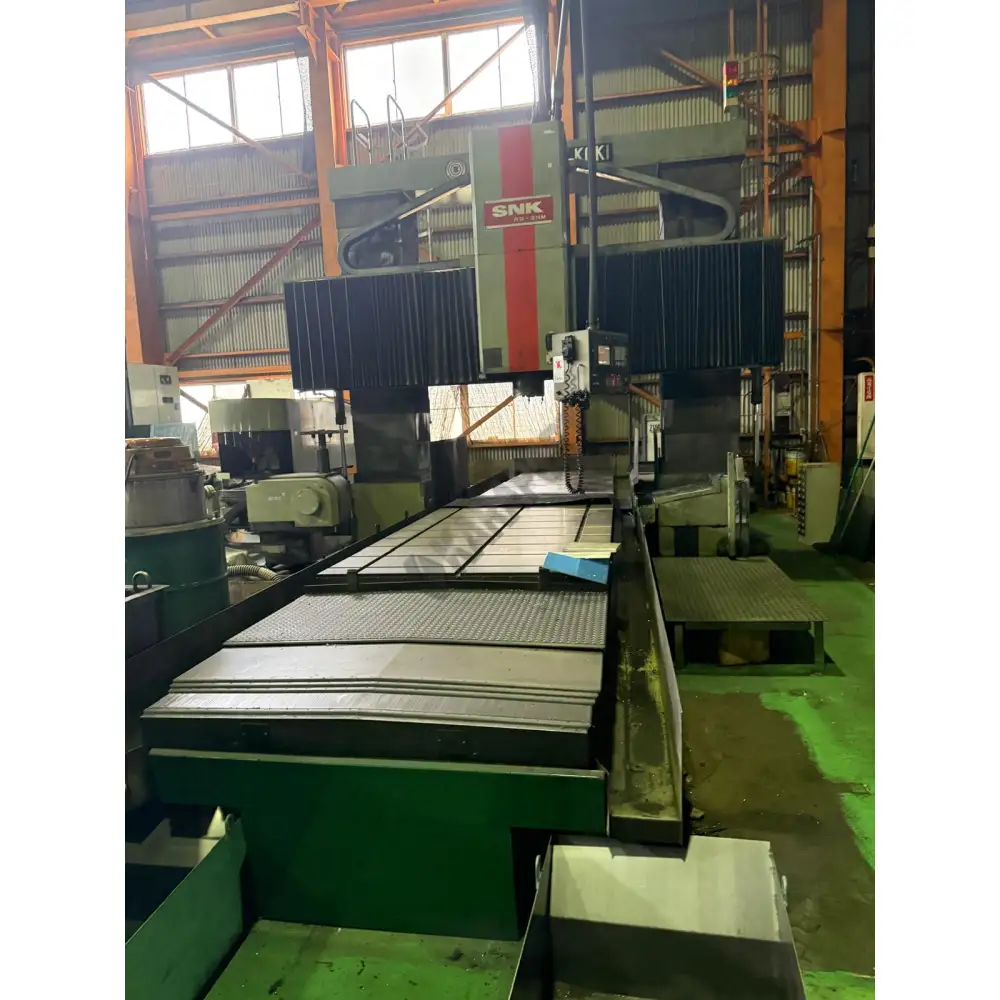
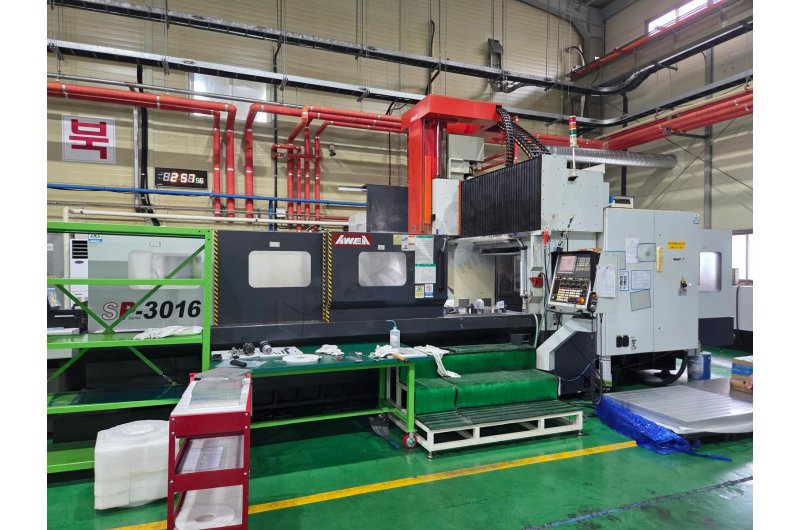
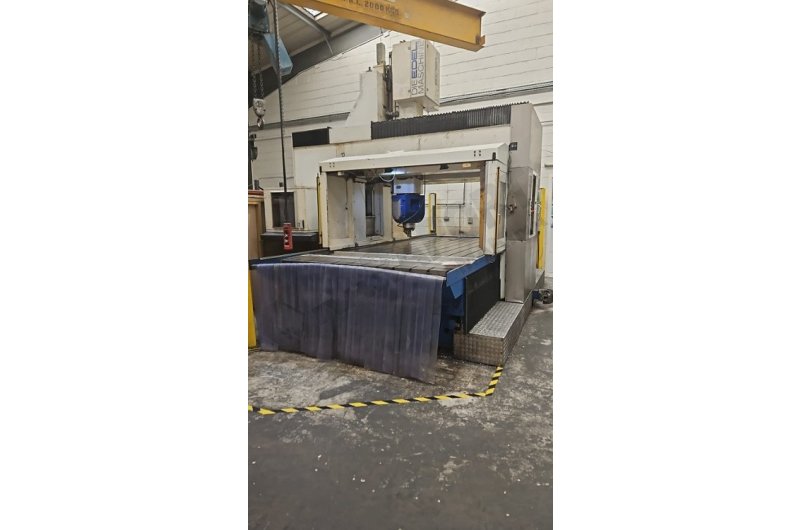
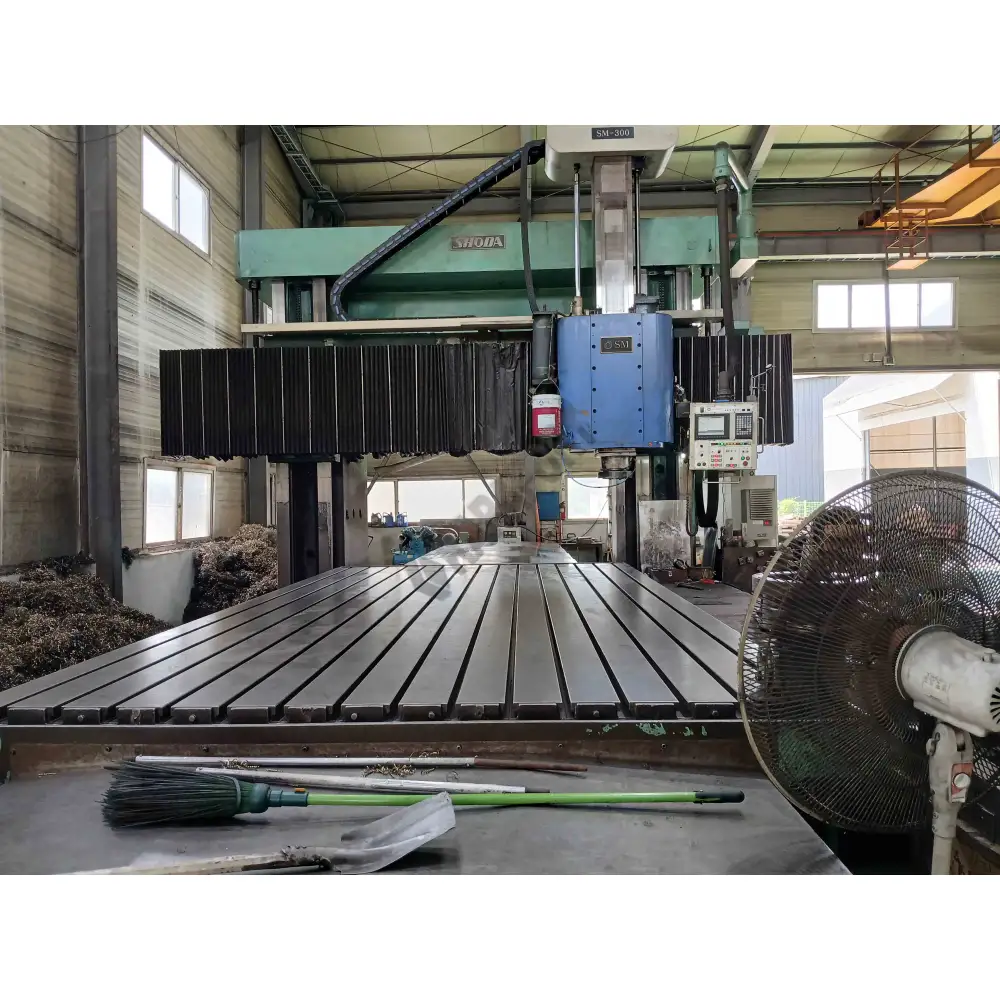
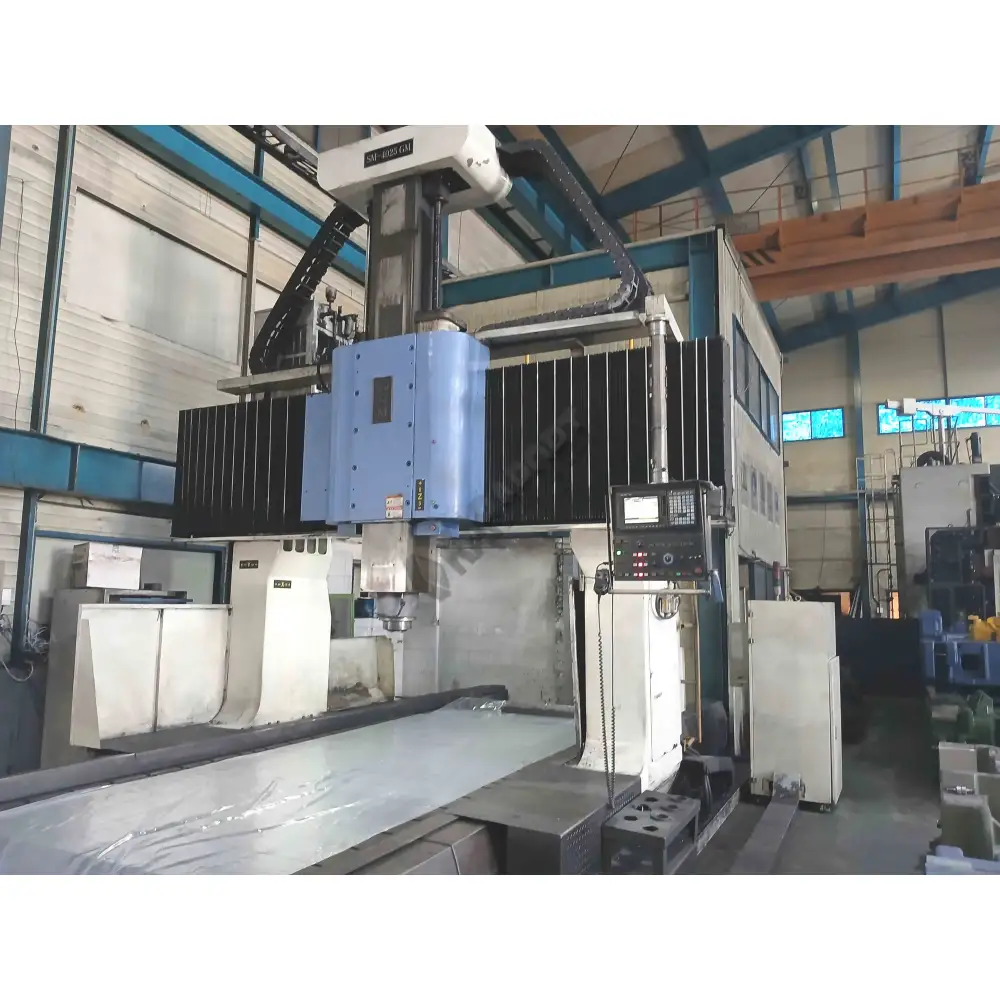
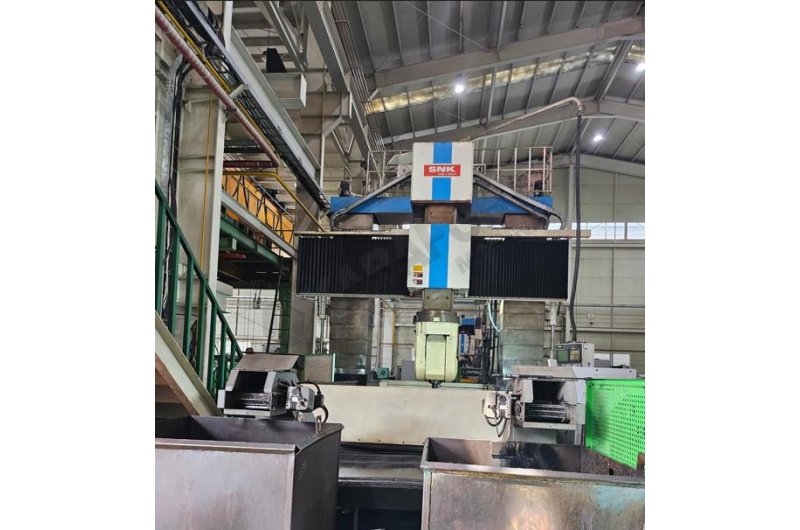
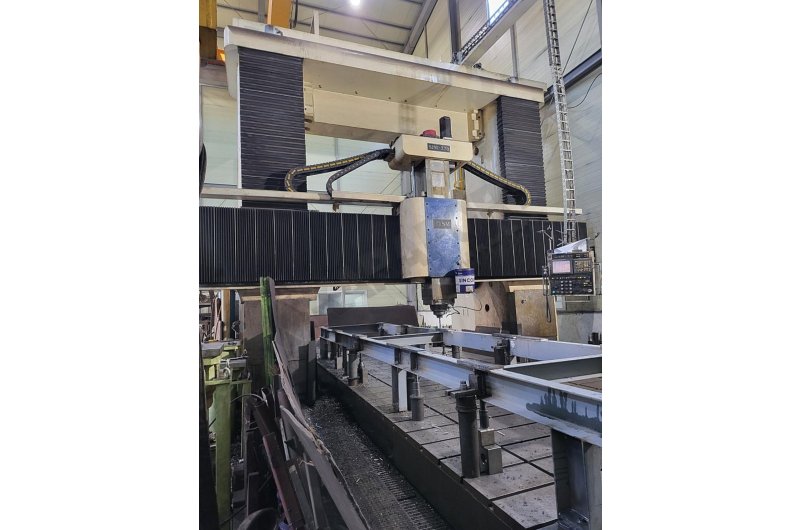
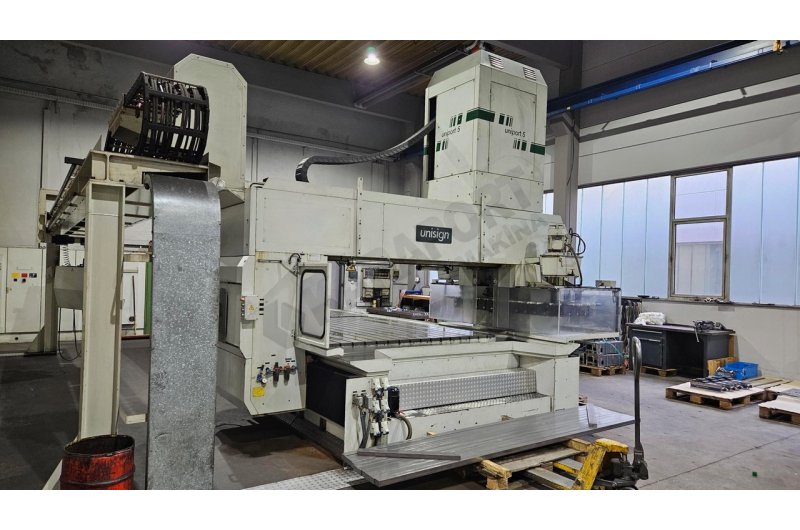
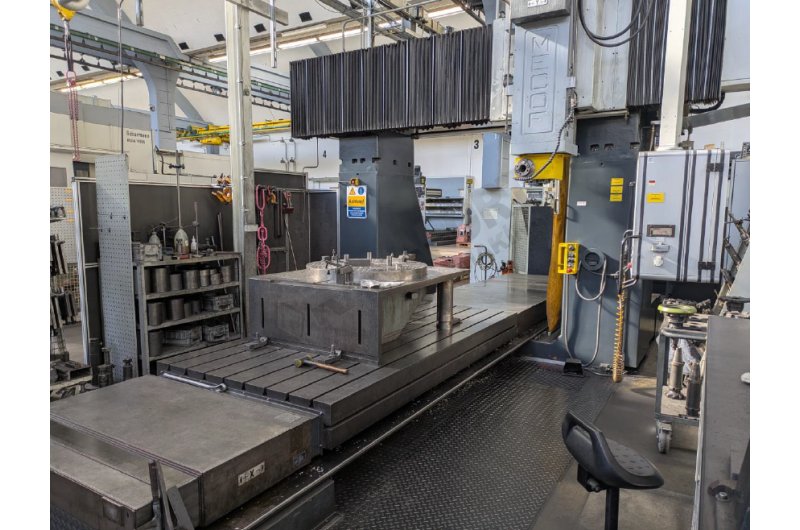
Double column machining center, unlike the C-type machining center, is a machining center with a construction where the X-axis, Y-axis, or both axes are not from the table, but the movement of the column consoles forward/backward, right/left, or in both directions is provided. The table is fixed. Due to the weight of the large workpiece, its movement on the table will both tire the axis motors and cause a high amount of wear. Instead, it is more logical for the spindle to remove chips by moving around the workpiece. The double column machining logic is not only valid for large workpieces. In order to obtain a very precise surface, the column-moving machining technique is preferred instead of causing vibration by carrying a load on the table. Some models of Gentiger and Makino double column machines for sale can be given as the most suitable examples of this. Removing a low amount of pass in high-speed spindles and short movement areas is a machining technique that improves surface accuracy.
Since the table size is larger than normal C-type body machining centers, the spindle usually needs to be indexed at certain degrees in applications requiring 4th axis or 5th axis for machining the side surfaces of the workpiece. Auxiliary axis movement can be possible by positioning the head forward-backward and right-left, as well as rotating pallet table systems that can be connected onto the table are used. The terms 4th axis from the head or 4th axis from the table vary according to these two situations. Those from the head are divided into two classes: those that can be adjusted manually with a graduated scale (Manual head) and those where this movement can be controlled by the cnc unit. Rotary table pallet integration can be added later or requested as a special option during the manufacturing stage of the machine.
The console to which the spindle and its motor are connected is located on 2 columns that move by sliding on slides on the left and right of the table. The motor located on the right and left or on one side provides the rotational movement. Feed amount, speed, and position values coming from the control unit or the operator handwheel are converted into rotational speed as the number of steps to the motor via encoders. The incoming command turns the ball screw, which is the movement transmission organ connected to the motor coupling. Rotational movement is obtained. As the ball screw rotates, the columns move on the bearings at the desired speed and axis positioning is provided in this way. Likewise, the same logic applies to the bridge part where the spindle is mounted. Thanks to the ball screws and bearings located between the two columns, the spindle part scans the table from above transversely and slides on the vertical slides to move in the up-down direction, ensuring that it approaches and moves away from the workpiece.
Under the double column machining centers category, there are listings and prices for 2nd hand, pre-owned from owner, for sale double column machining center from new cnc machine sellers.