



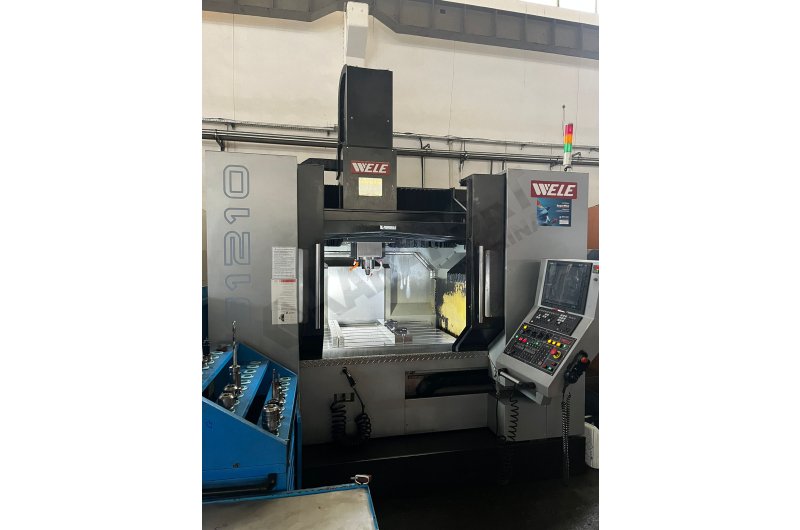
 KRP CNC Satış
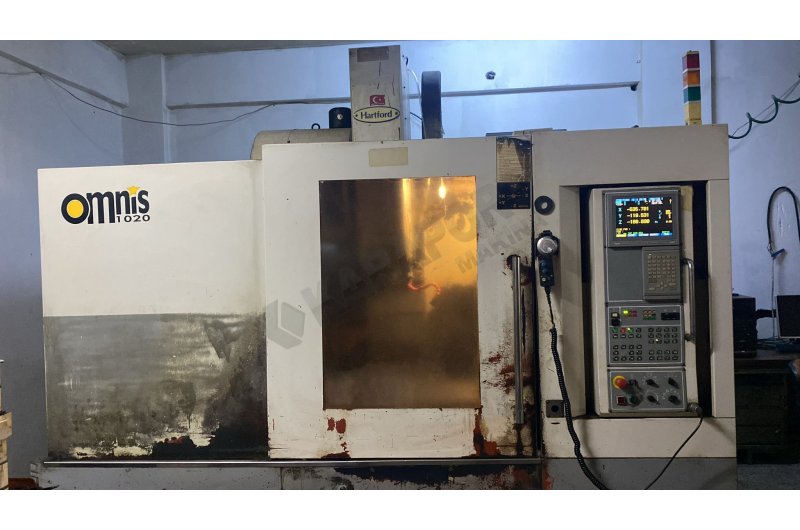 KRP CNC Satış
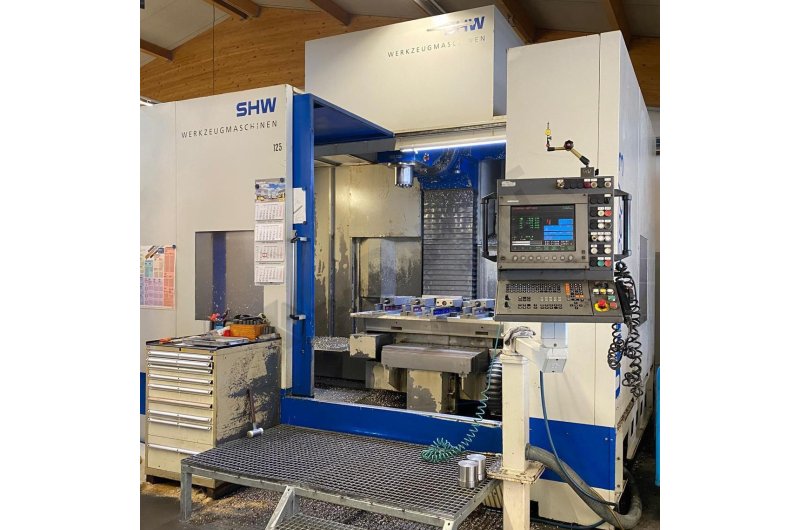 KRP CNC Satış
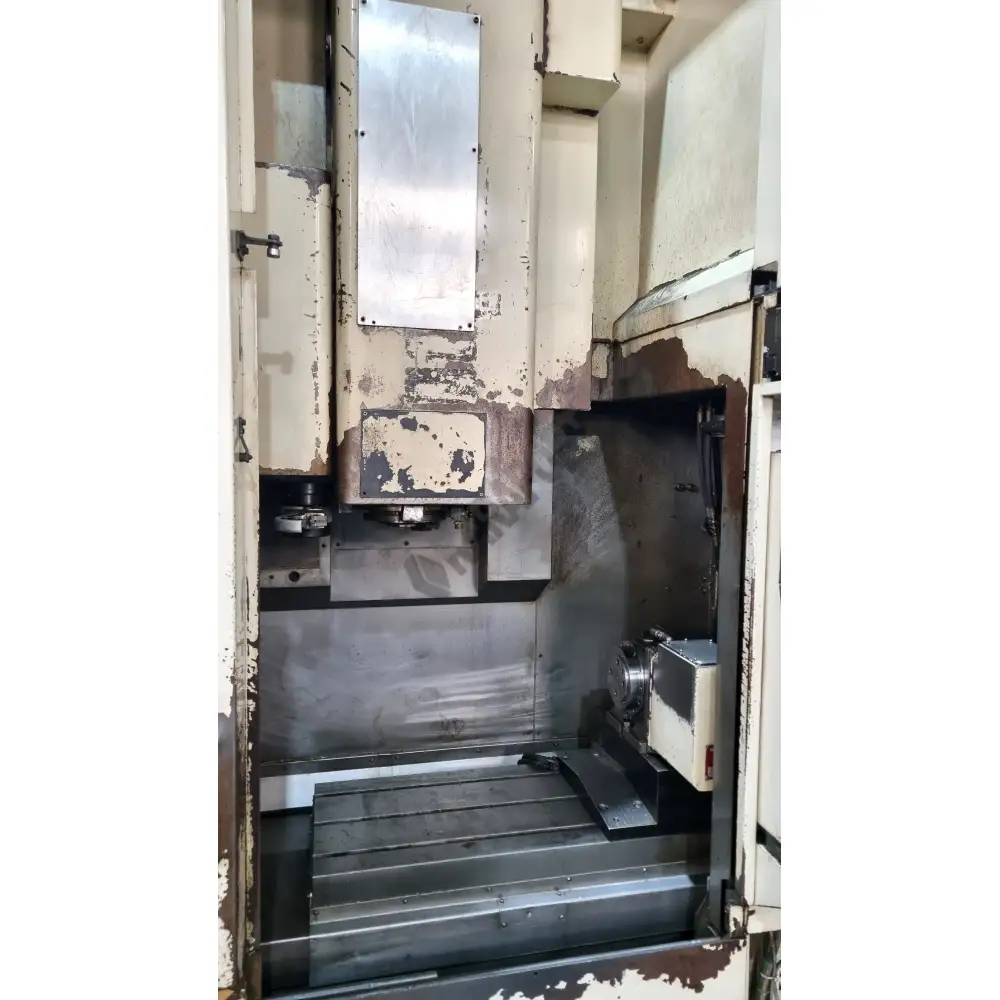 KRP CNC Satış
 KRP CNC Satış
 KRP CNC Satış
 KRP CNC Satış
 KRP CNC Satış
 KRP CNC Satış
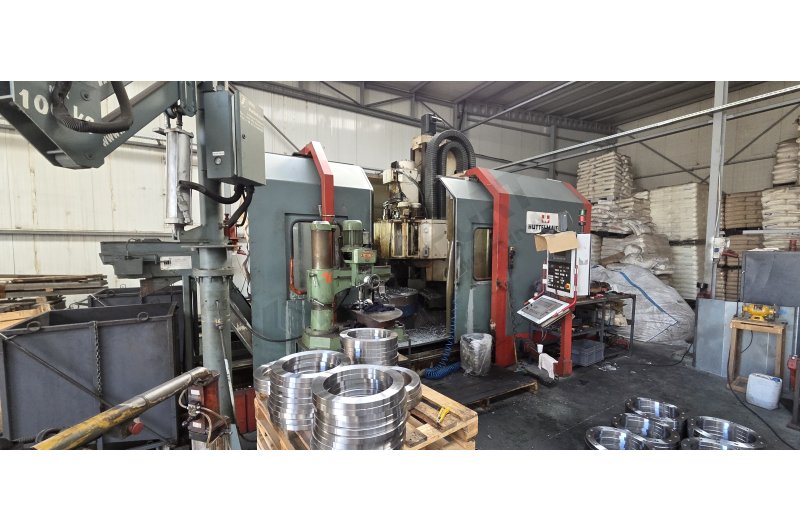
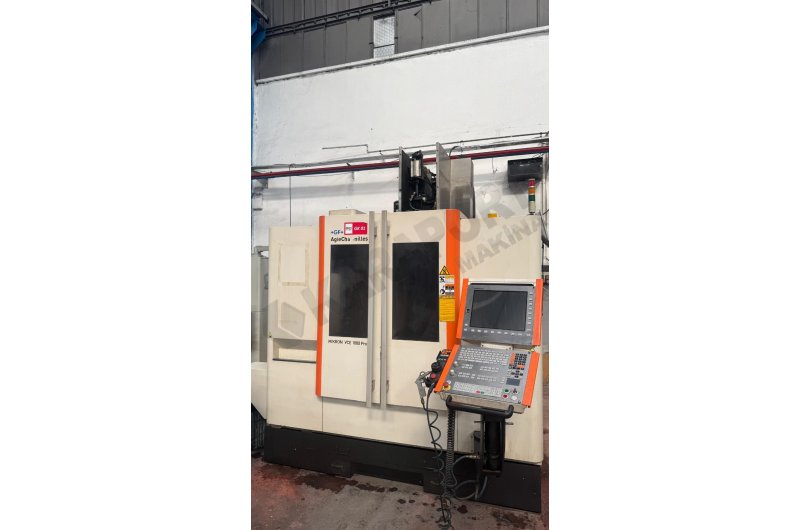
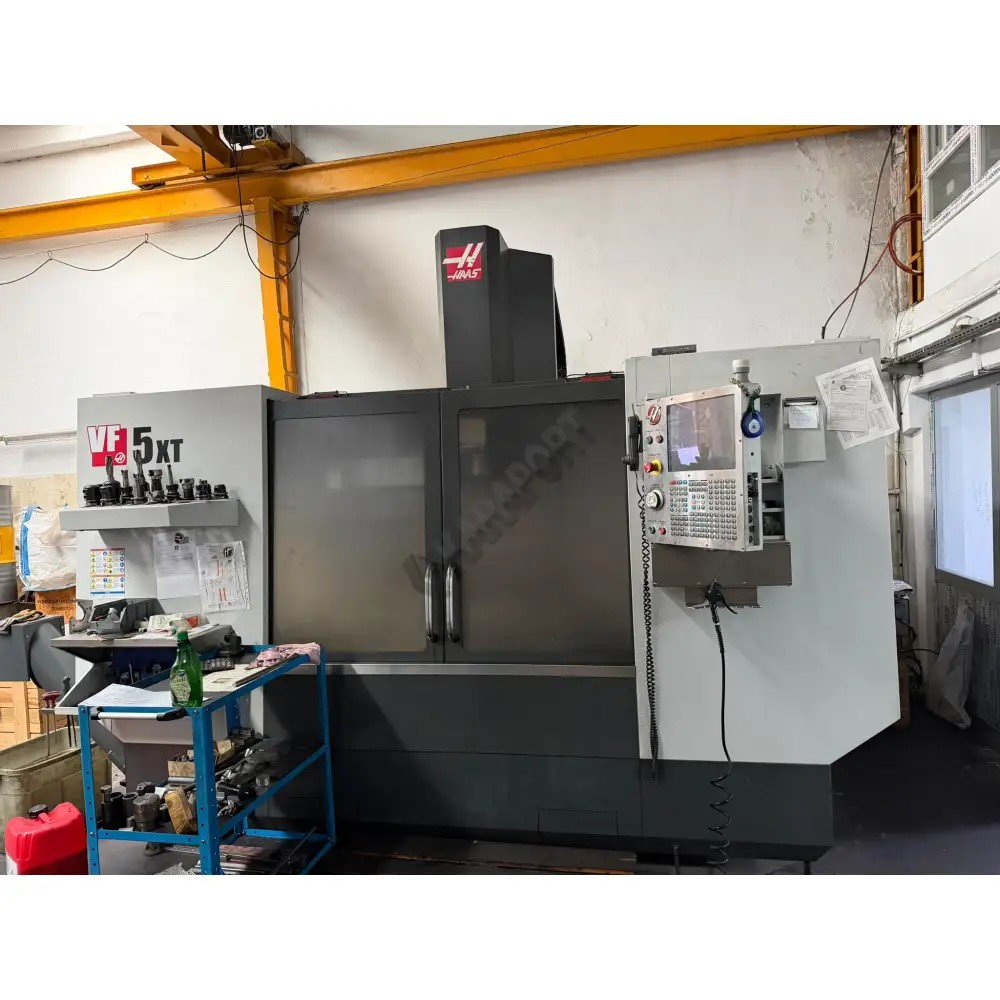
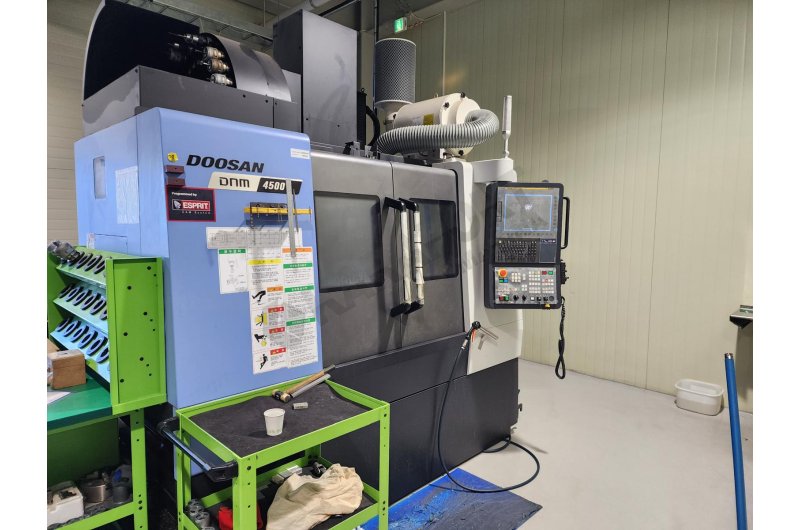
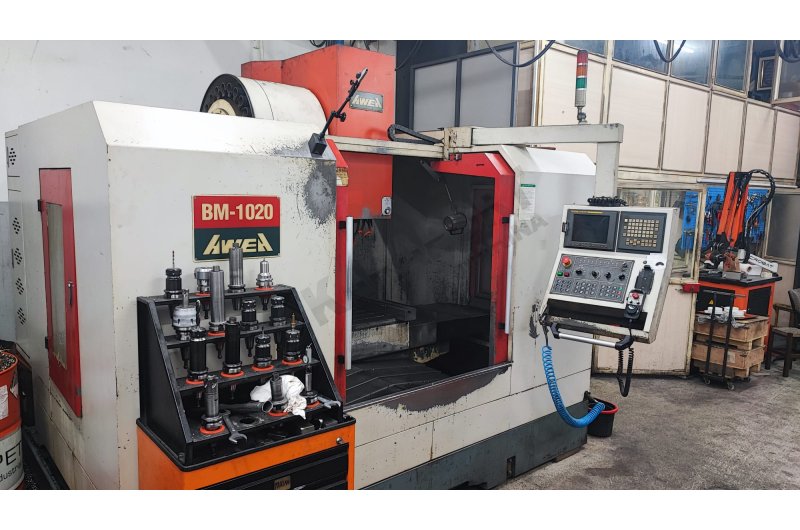
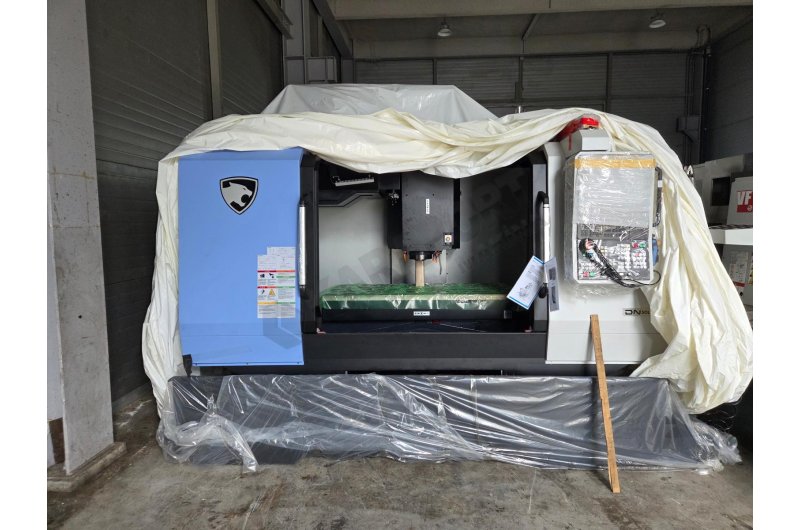
CNC vertical machining centers are machines examined under the general heading of milling processes performed via a control unit. We can examine the general structure of the machine in the following items:
Body: The body part is the cast structure on which the machining components of the machine are positioned. Cast bodies, which have internal stresses reduced by heat treatments, toughness gained by reducing internal structure grain sizes, and high rigidity, are generally manufactured as standard C-type for workpieces of a certain size. The spindle is fixed on the slide at the upper part of the body, with its tip perpendicular to the ground. In the lower part, there are runner surfaces where 2 or 4 slides are mated with each other for the table to move by sliding. During the assembly of the slides to these surfaces, there should be no gaps and full contact must be ensured. Various methods are used for this. Scraping is the most common of these. The exact contact of the cast surface and the slide contact surface at every point affects the machining quality.
Slides: These are the machine parts seated on the scraped runner surface of the cast body, providing bearing for the sliding movement of the table to the left and right (+X / -X direction) and forward and backward (+Y / -Y direction). Slides are also divided into 2 types. Box way, known as friction slide, and linear way. Box way machines are ideal for heavy-duty, interrupted cuts and mold processes. They are also preferred because potential scratches that may occur on the surfaces of box ways can be removed by grinding. Linear way machines are the type of machining centers preferred for serial operations. Since the friction force is lower during axis movements, their rapid traverse speeds are higher.
Table: It is a hardened planar surface suitable for bearing or threaded puller equipment, on which one or more workpieces to be machined are fixed. It is generally manufactured from cast steel. It moves on the slides. Since the flatness of the table directly affects the flatness of the part, its precision is extremely important. Positioning zeroing is performed by moving the table in both X and Y directions in + and - directions. For this, a dial indicator, micrometer, or laser is used. The lower the positioning accuracy value, the better. This value is generally sought to be around 0.001 mm (1 micron). Apart from the workpiece, thanks to V-bearings and puller bolts, vises can be connected, as well as 4 or 5-axis dividers.
Automatic Tool Changer (ATC): While arm-type and umbrella-type tool changing systems can be used, there are also machining centers without an ATC system. Its purpose of use is simply to carry the tool connected to the holder in the tool magazine to the spindle nose and mount it. There is a misconception that only CNC vertical machining center machines with an arm-type are called machines with ATC. Umbrella-type ones also change the tool automatically. Therefore, these machines also have ATC. In arm-type systems, the tool is carried by means of an auxiliary arm. The carrier arm has 2 opposing holding and carrier grippers. The tools are in a cluster parallel to the ground. When the tool at the called address reaches the mouth of the arm, it comes to a vertical position, and the ATC arm comes down from its locked position. While one gripper takes the called tool, the other gripper grasps the tool released at the spindle nose. These tools are swapped with a rotational movement. The ATC arm returns to its old position and locks automatically. In umbrella-type automatic tool changing systems, instead of an arm, the magazine where the tools are attached rotates as a whole to bring the called tool to the spindle nose and mount it. The tools are already in a vertical position. In both ways, automatic tool changing is performed. In systems without ATC, the tool holder is manually mounted to the spindle. A pneumatic button is used to open the pull stud jaws at the mouth of the spindle taper and grasp the tool holder again.
Spindle: It removes chips from the fixed workpiece by means of the tools attached to the holder, with the rotational movement it receives from the motor. The spindle approaches the part by moving up and down on the Z-axis slide mounted vertically on the body. Rotational movement is received from the spindle motor in different ways. The belt-driven system is the most used and first classic method produced. Built-in, direct-coupled motor and geared spindle systems are other models preferred according to the intended use. They are produced in different diameters and forms according to the way they grasp the tool. Generally, the ISO 40 taper holder in old machines and the BT 40 taper holder in new modern machine tools are commonly used types. Spindle systems suitable for ISO 50 and BT 50 taper holders are preferred for more intensive chip removal. If the amount of chip removal is high, it is wiser to use a direct motor or geared system instead of belt-driven systems for power requirements. Such combinations are parameters that must be known in the world of CNC machines. HSK, Capto, etc. are other taper varieties where modular tool changing type systems are used according to the spindle type. Spindle machines to which HSK-type tools can be connected are preferred for high-speed precise surface finishes. The number and type of pull stud pins inside the spindle vary according to the taper angle of the holder.
CNC control unit: Just like in lathes, it is the screen where the feed rate and speed of the axes, and accordingly the spindle speed and G-codes are managed, sticking to the geometric shape, in order to obtain the workpiece or mold in the most efficient (precise and fast) way. This section is roughly the interface where numerical data is translated into the language that the mechanical parts of the machine will understand via electronic driver cards.
Under the CNC vertical machining center category, there are listings and prices for 2nd hand, pre-owned from owner, for sale CNC vertical machining center from new CNC machine sellers.